

Gartner and Forrester have done essential work mapping how B2B buying happens. They've even acknowledged that emotion matters. Gartner's research on the "Emotional B2B Buying Journey" makes it clear that personal benefits drive brand commitment far more than functional ones.
But acknowledging that emotion matters isn't the same as giving us a way to map it.
The research is striking. B2B buyers are more emotionally connected to vendors than consumers are to brands. A consumer who buys the wrong shampoo is out $8. A VP of Operations who selects the wrong automation platform may lose their job. The stakes are higher and the emotions are bigger.
Gartner/HBR research puts it bluntly: whether a solution could advance someone's career was five times as potent as the offering's "business value." Features, ROI projections, total cost of ownership? All secondary to the personal stakes.
The same research found that "the most common tools in suppliers' tool kits, for example ROI calculators and total-cost-of-ownership scorecards, address organizational risks but say very little about individual ones. Once again, suppliers are emphasizing the wrong things."
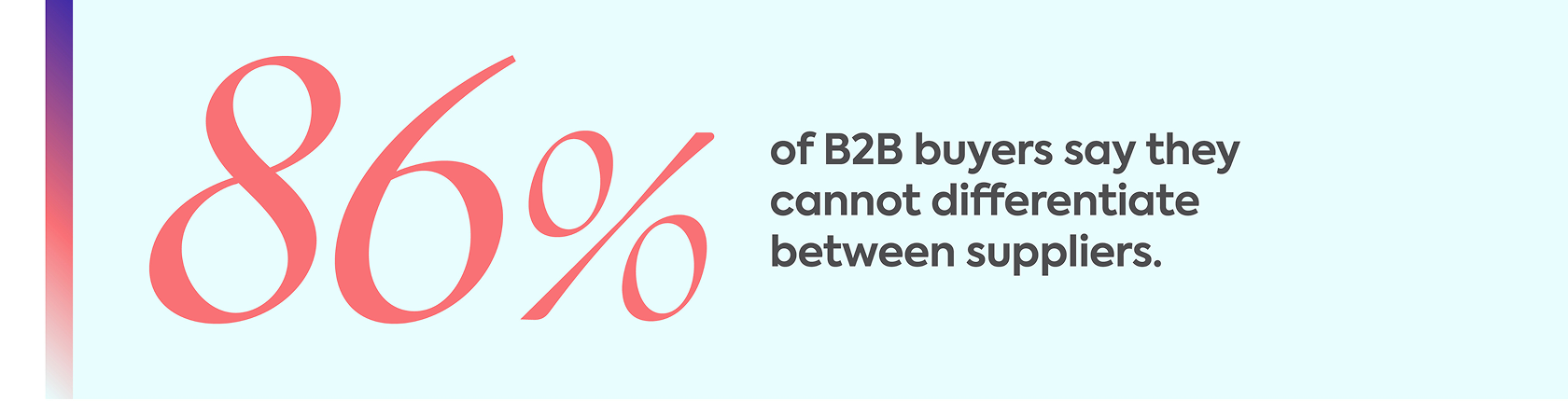
And yet 86% of B2B buyers say they can't differentiate between suppliers. Everyone is optimizing the machinery of buying.
Almost no one is addressing the motivation inside it.
What the Frameworks Miss
If you're in B2B marketing, you know Gartner's six buying jobs and Forrester's buyer roles. These frameworks are useful and well-researched. But they don't tell us why the deal stalled after the third meeting, why your champion went quiet, or why the buying committee keeps asking for more information when you've already sent everything.
Forrester's roles tell us who's at the table. They don't tell us what's driving each person's emotional response. Gartner's jobs tell us what needs to get done. They don't tell us which fears stall each job.
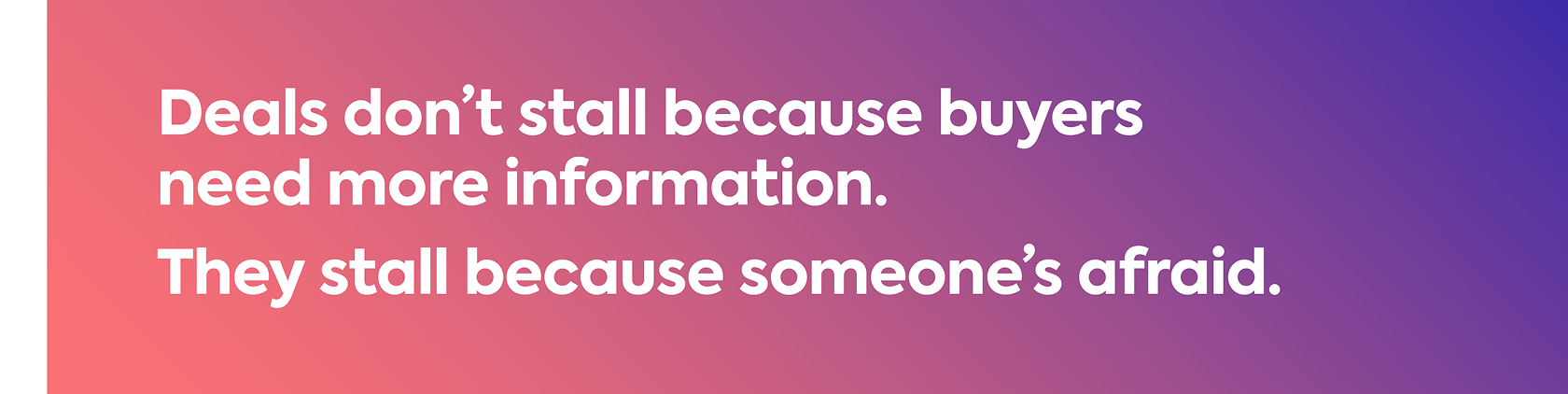
Gartner's research shows that 95% of buying groups revisit decisions at least once. But "new information" is rarely the real cause. More often, what breaks momentum is emotional. Someone gets nervous. The consensus that seemed solid starts to fragment. And sending more content won't move a deal that's stuck because someone's scared.
You have to understand what they're actually afraid of.
illi's Four Archetypes That Show Up in B2B Buying Committees
Through years of work with industrial automation, manufacturing, technology, and life sciences companies, we've identified four buyer archetypes that appear again and again.
These aren't personas based on job titles. They're motivation profiles. A Champion (in Forrester's framework) could be any of these four types. So could a Decision-maker. The functional role tells you who's at the table. The archetype tells you what's driving their emotional response.
The Operations Guardian fears being blamed. They've spent years building credibility as the person who keeps things running. If this new system breaks something that was working, they approved it. Their reputation is on the line. They're asking: "Will this make me the person who broke what was working?" What they need to hear: proof that you understand what they've built, that you won't make them look foolish for trusting you, and that they'll have a way out if things go wrong.
The Technical Modernizer fears being seen as outdated. They worry that if they don't push for change, leadership will view them as the person who couldn't keep up. They watch peers at other companies moving faster and wonder if they're falling behind in their own career. They're asking: "Will this make me look like someone who drives progress, or am I going to get passed over?" What they need to hear: that this positions them as a leader, that the industry is moving this direction, and that waiting is the riskier career move.
The Regulatory Protector fears career-ending compliance failures. In regulated industries, a warning letter or audit finding doesn't just hurt the company. It follows the person. They're asking: "Will this put my name on a problem?" What they need to hear: that this has been validated in their regulatory environment, that the documentation will protect them, and that you understand what an audit finding would mean for their career.
The Business Builder fears looking like they oversold. They've made commitments to leadership about what this investment will deliver. If it doesn't hit the numbers, that's their credibility gone. They're asking: "Will this make me look good to the board, or will I be explaining why we missed?" What they need to hear: realistic timelines, evidence of outcomes at comparable companies, and confidence that they can defend this decision when someone asks why.
Why This Matters
.png)
Real buying committees contain multiple archetypes with conflicting emotional needs. A Technical Modernizer's enthusiasm may directly threaten an Operations Guardian's sense of stability. A Business Builder's urgency may conflict with a Regulatory Protector's caution. Content that excites one archetype may alarm another.
Trying to appeal to everyone equally just creates messaging that doesn't move anyone. The goal is to understand which archetype represents the greatest momentum barrier in your typical deals, then build content and conversations that address the specific fear that's actually stalling progress.
When 86% of B2B buyers can't differentiate between suppliers, emotional factors become the only meaningful differentiator. The companies that win aren't just more efficient at delivering information. They're more effective at building the emotional confidence that moves decisions forward.
In technical B2B, empathy isn't soft. It's strategic.